September 3, 2026
Do artists know where their work ends up? What are the journeys artworks take once they leave a studio or an exhibition?
In February 2025, Chris and I went to Portland to visit our friend Ingrid, who had recently moved there. We decided to spend a Saturday at the Portland Museum of Art, an institution dear to my heart, as my friend Mark Bessire is the Director and Maine holds a special place in my personal history.
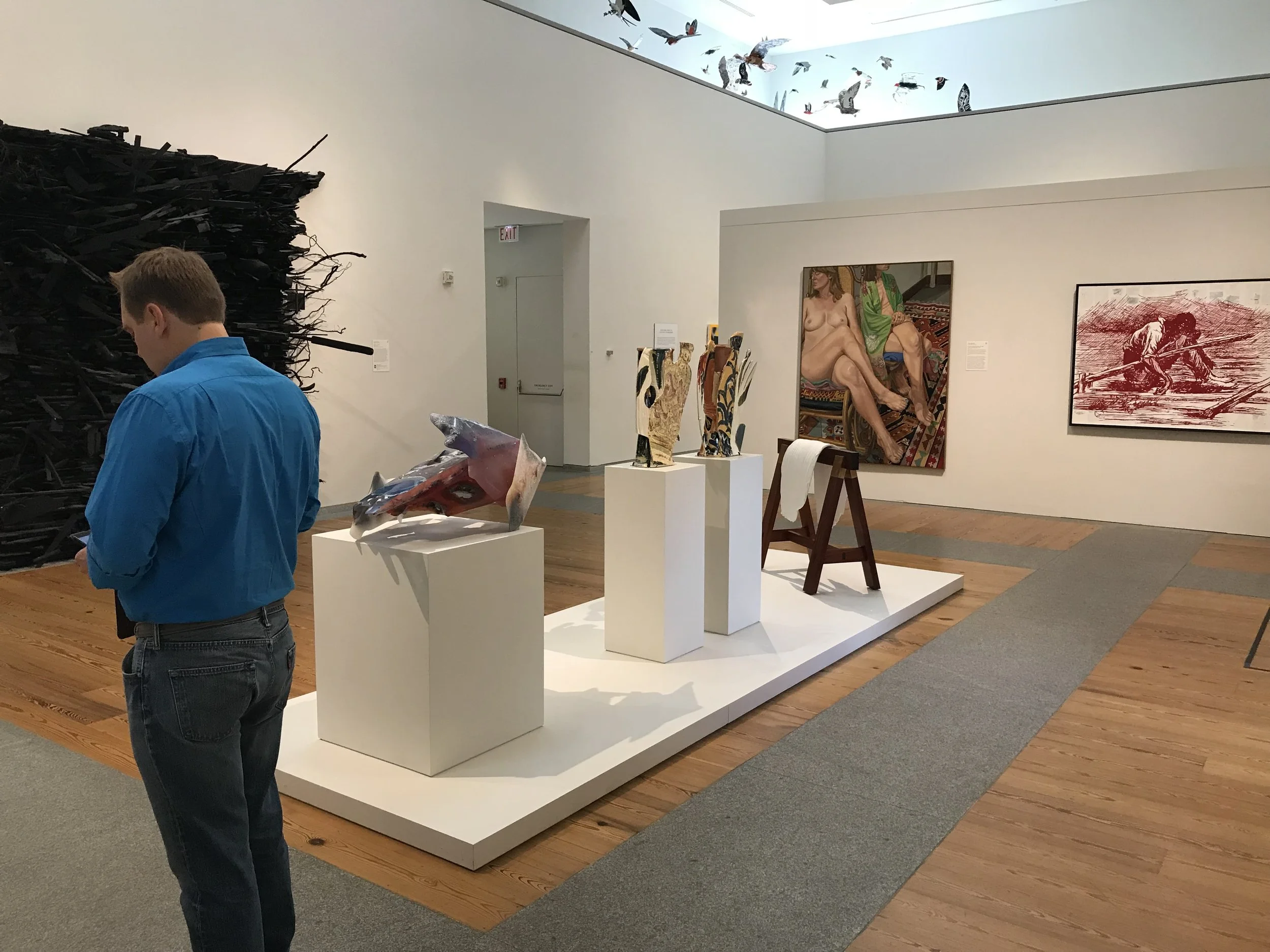
On view was As We Are, an exhibition curated by Sayantan Mukhopadhyay featuring artists with ties to Maine. In the very first section was an incredible painting by Jay Stern that stopped me in my tracks.
Green House and Table depicted a kitchen table with a gingham tablecloth and a chair underneath three windows through which a lawn and tiger lilies could be seen riotously dancing in the background.
Still life, a genre everyone is familiar with, typically centers around ordinary objects in a domestic setting and often in static arrangement. In Jay’s painting, however, everything felt alive and in dynamic motion. There was a quality of Cézanne’s prismatic, shifting perspective, as well as this beautiful use of light. Stern works within a lineage of beloved Maine painters — from Fairfield Porter to Lois Dodd — whose work focuses on everyday subjects with equal attention given to natural light, reflection, and shadow. A great read about Maine painters can be found HERE.
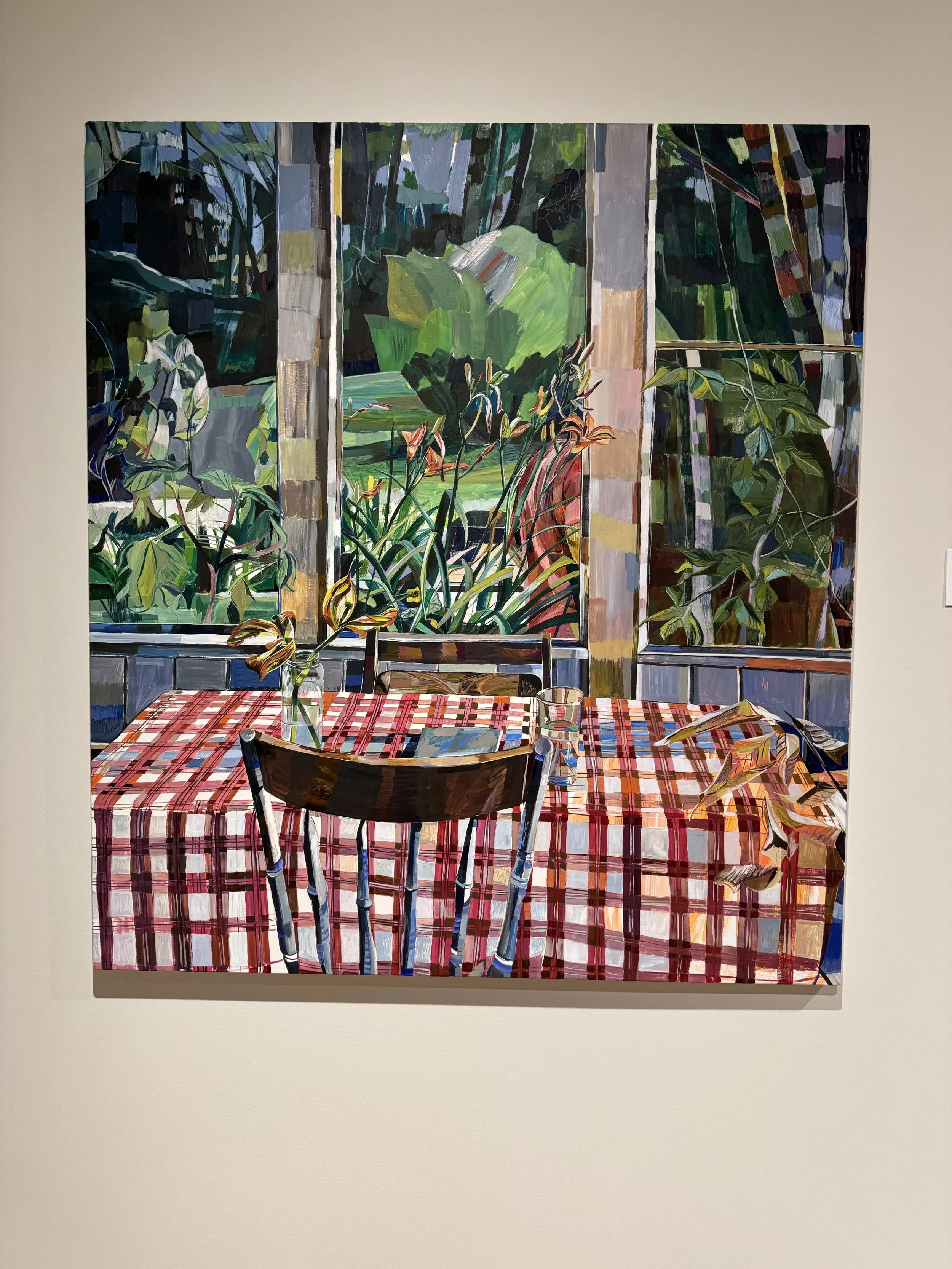
I was a painter myself in college, and it’s a medium I love. I’m not necessarily partial to it, but I understand the mechanics of it more instinctively than, say, sculpture or printmaking. The way Jay moves the paint, the way he treats each object within the frame almost as its own painting, and the way he captures interior and exterior light so beautifully without becoming overly sentimental—the painting is a party. It imprinted itself on me.
We walked around the museum, saw all sorts of other fabulous things, and left. But that painting stayed with me.
I decided to follow Jay on Instagram and, curious about his work, reached out for more information. He was lovely, extremely responsive and sweet, and connected me with his new dealer, Andrew Reed, who also sent along available works.
As it happened, we had an upcoming project with a long standing corporate client of ours and we had a modest budget for new acquisitions. I immediately thought of Jay and how wonderful it would be to include one of his paintings in our proposal. Inspired by his work, we began developing the curatorial theme around still life. The context was perfect.
Happily, the client approved the proposed artwork, and Jay’s painting became part of a curatorial conversation we have continued to build within the client’s collection through out our many years of partnership.
Just last weekend we installed his work alongside collection pieces in different mediums and from various eras. It’s near a beautiful Lois Dodd (Jay told me over the phone how much he loves Dodd’s work), a Yvonne Jacquette print, three gorgeous gelatin silver prints from 1945 by Rudy Burckhardt—the husband of Yvonne Jacquette—and David Hockney’s iconic Resting Celia.
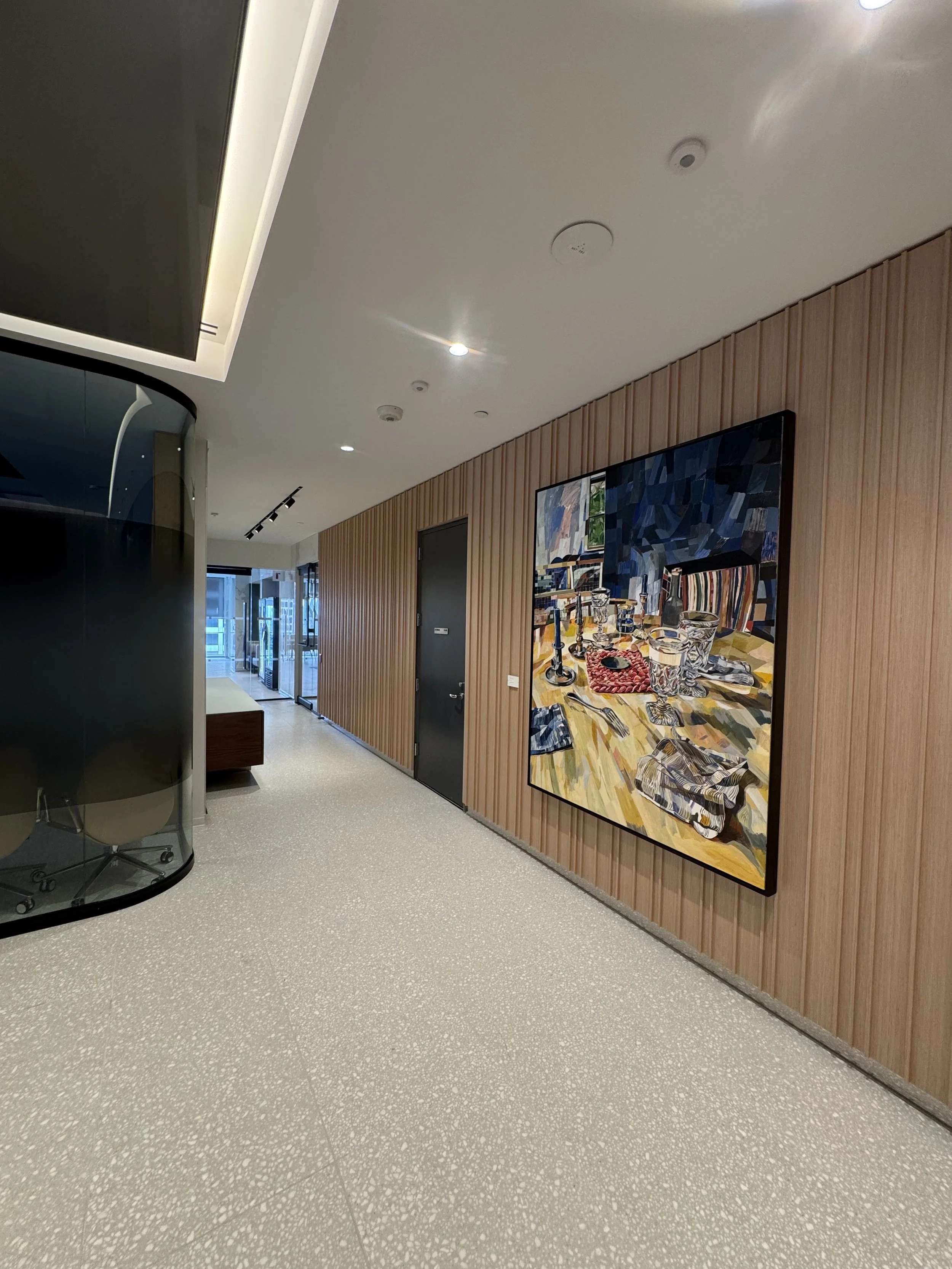
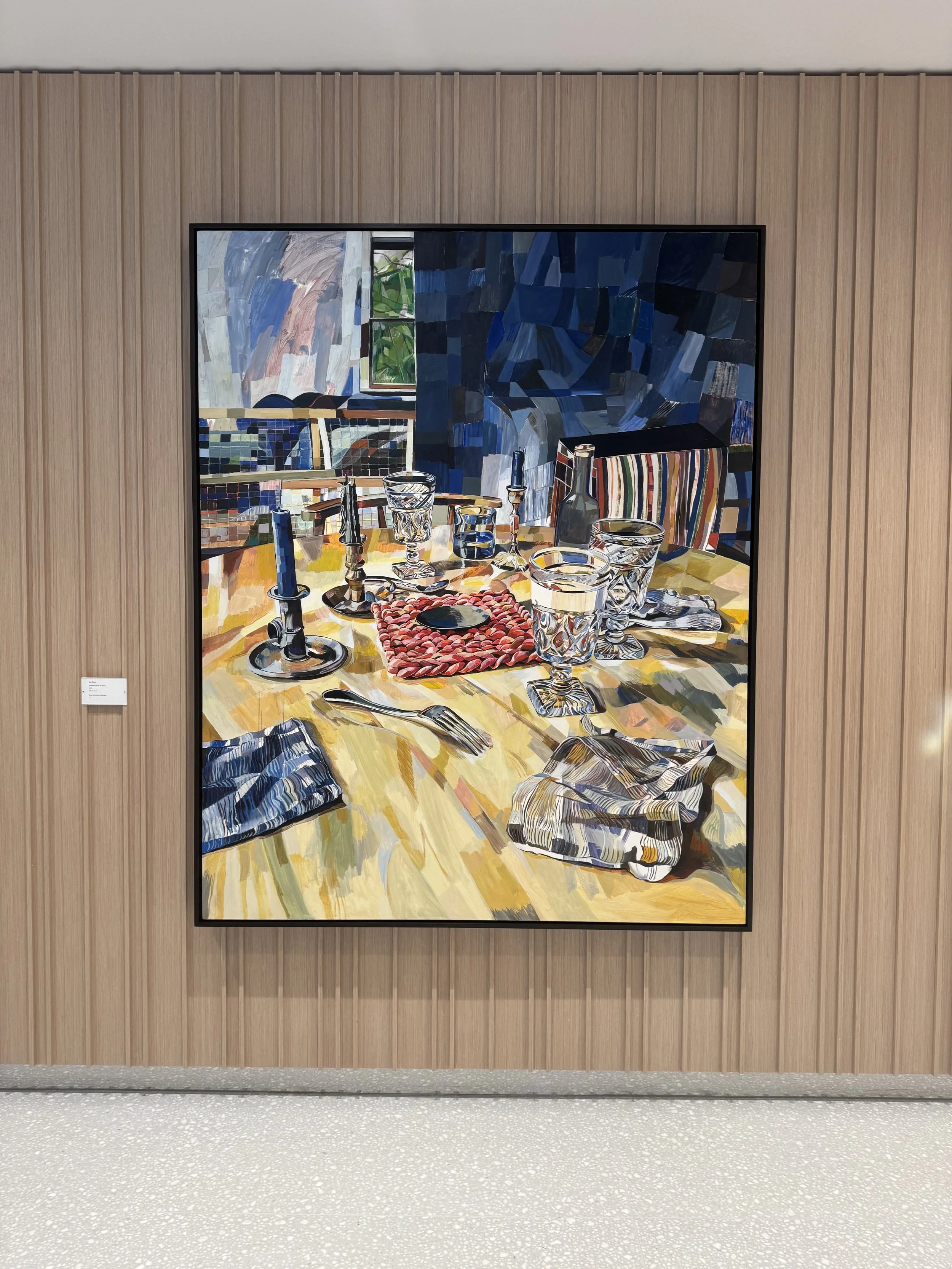
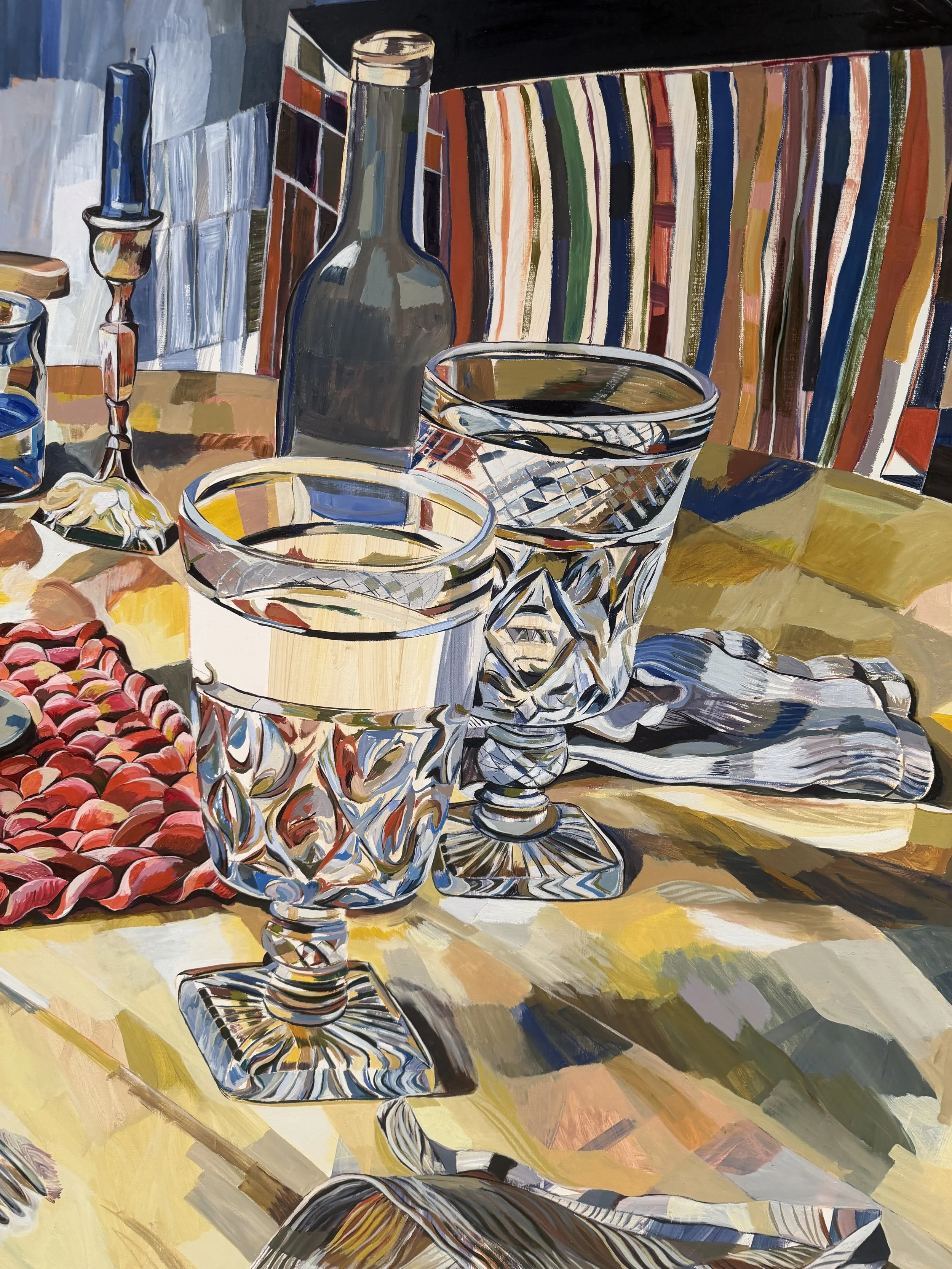
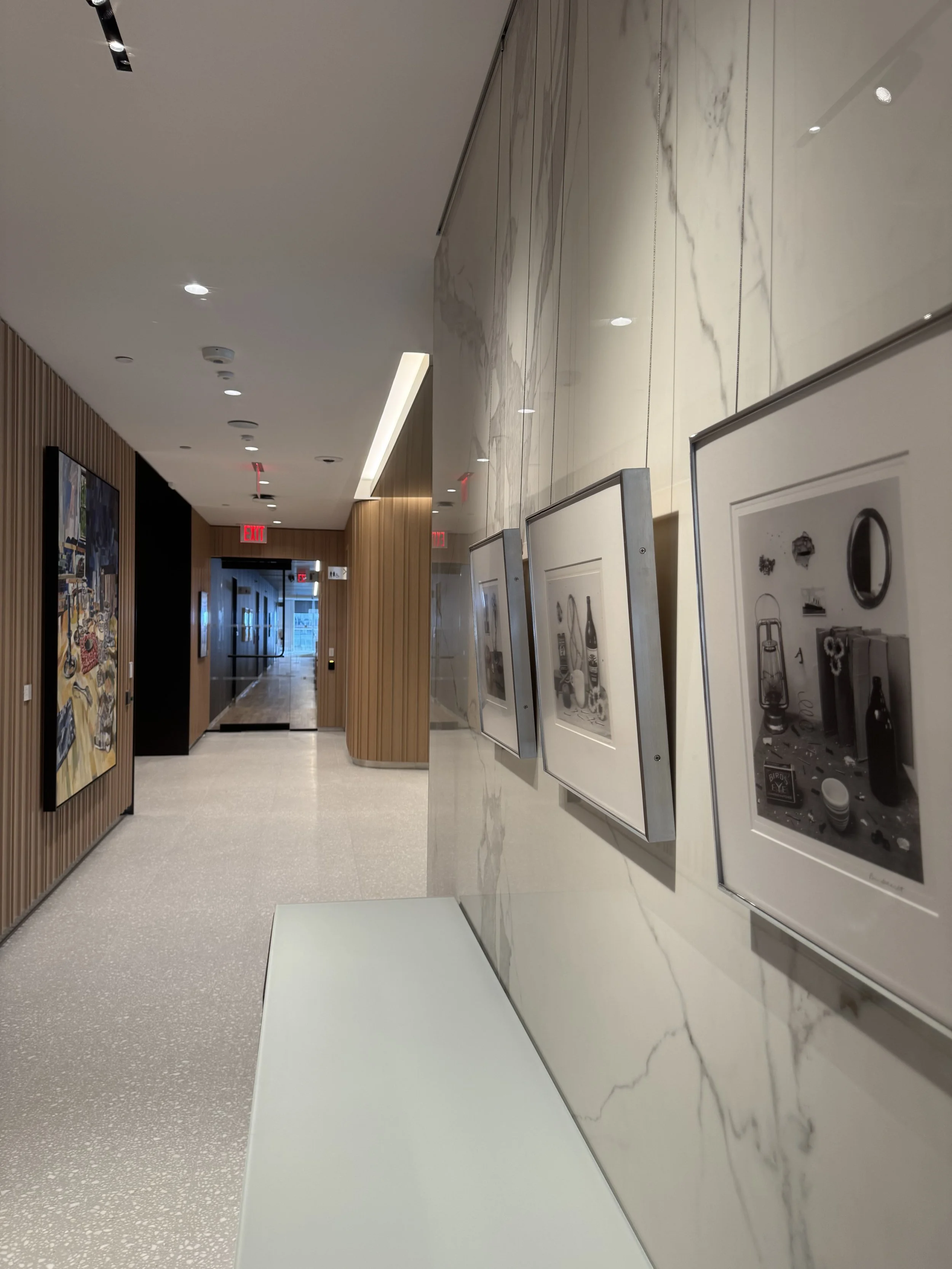
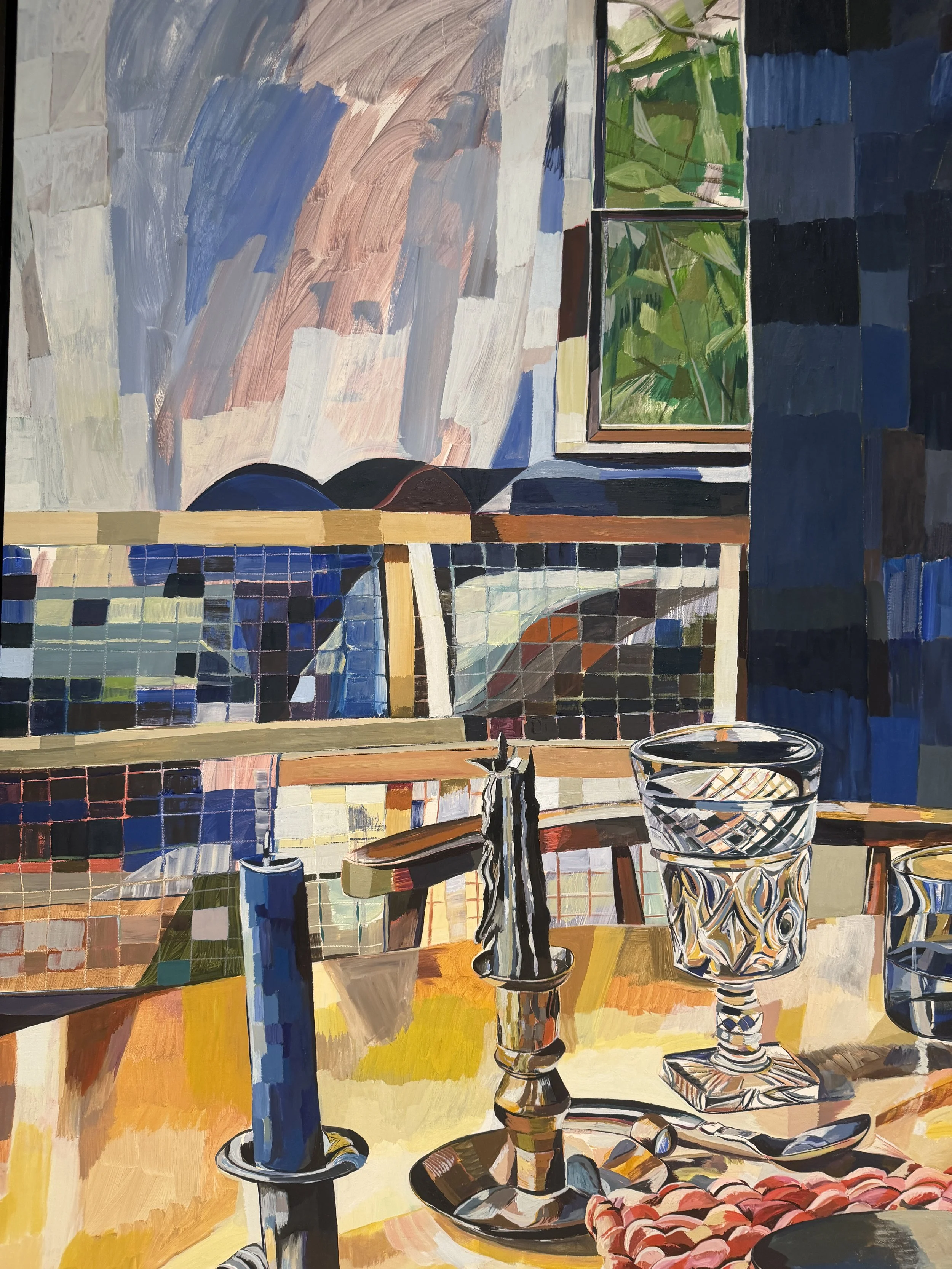
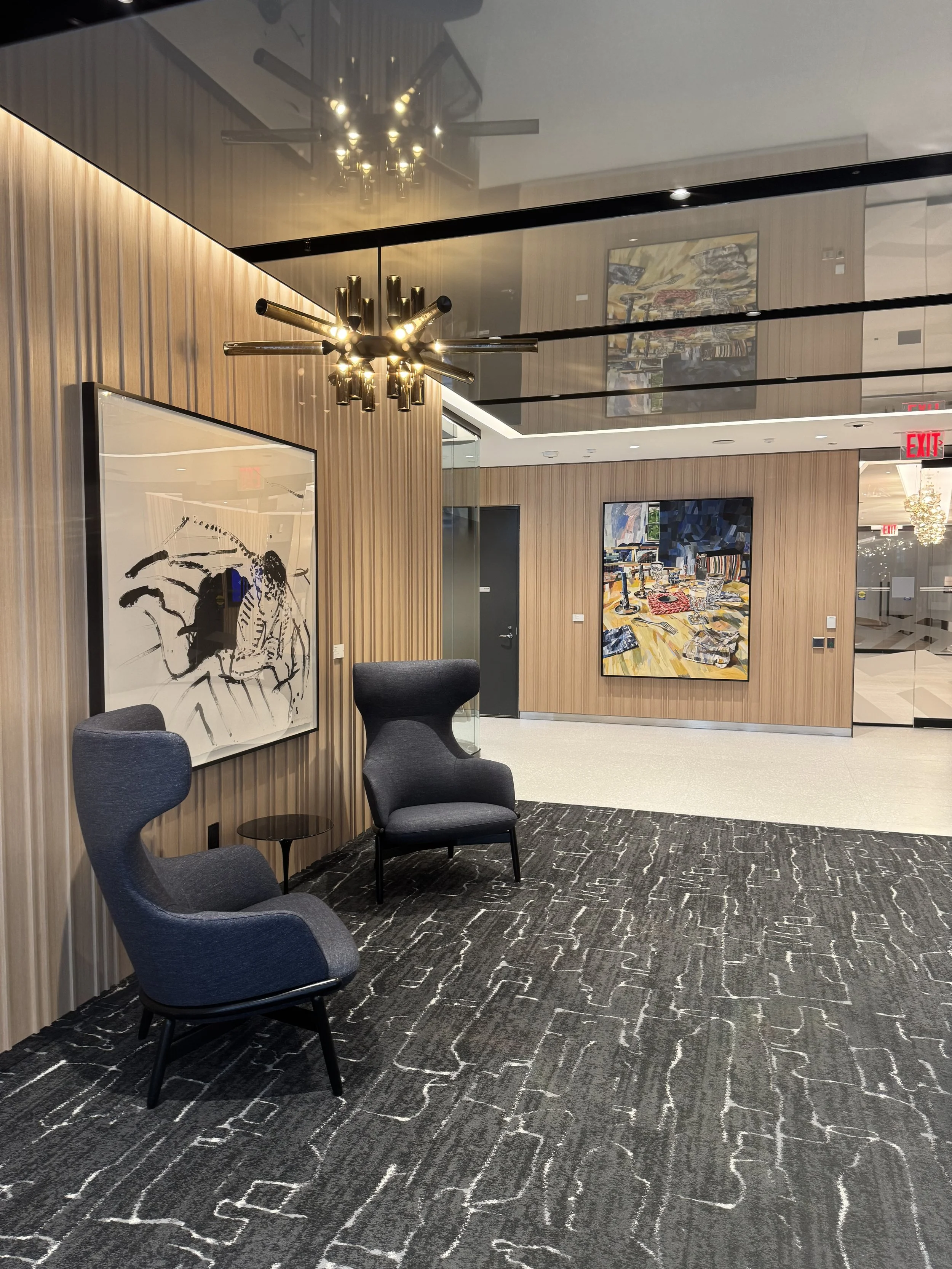
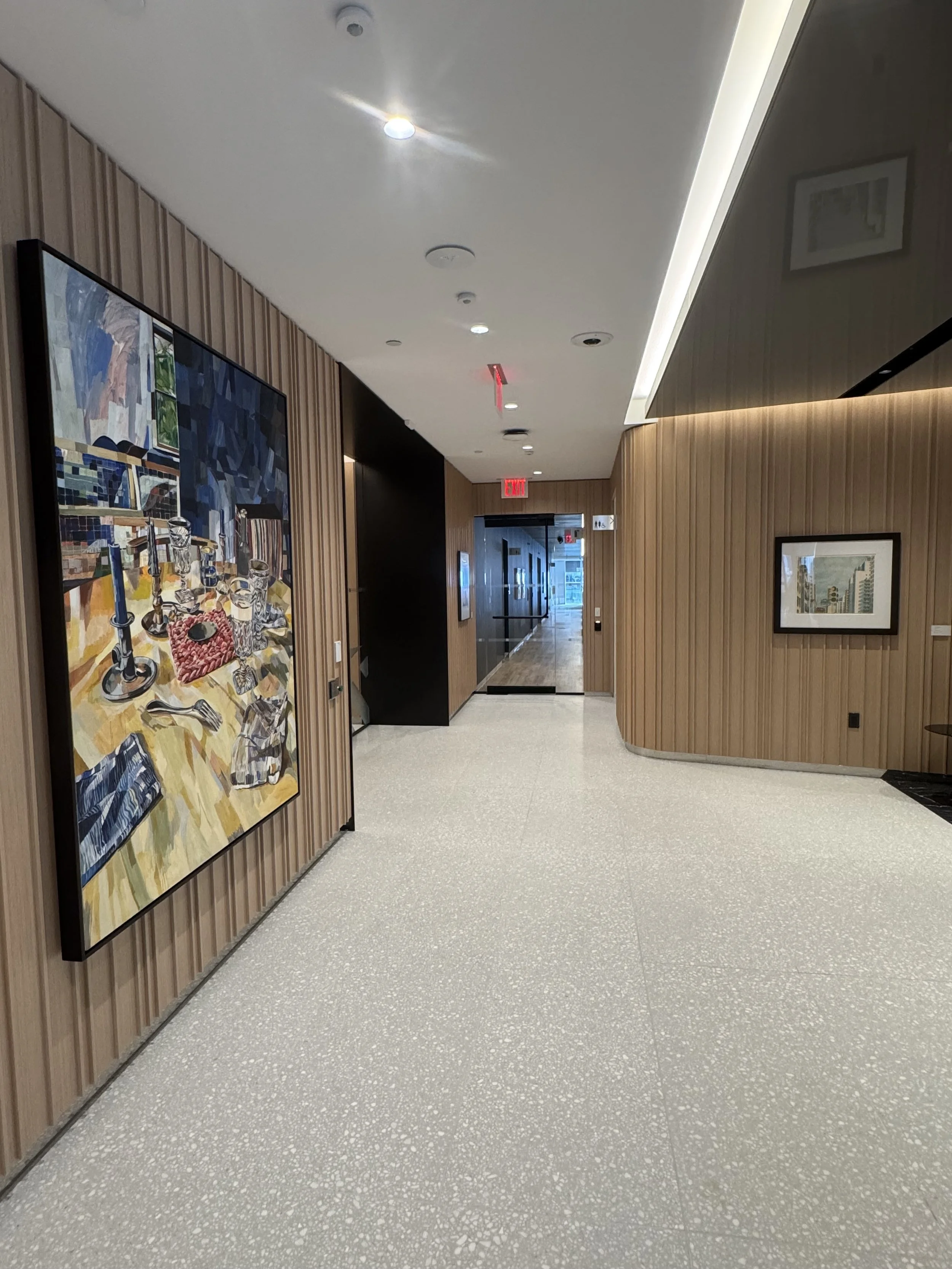
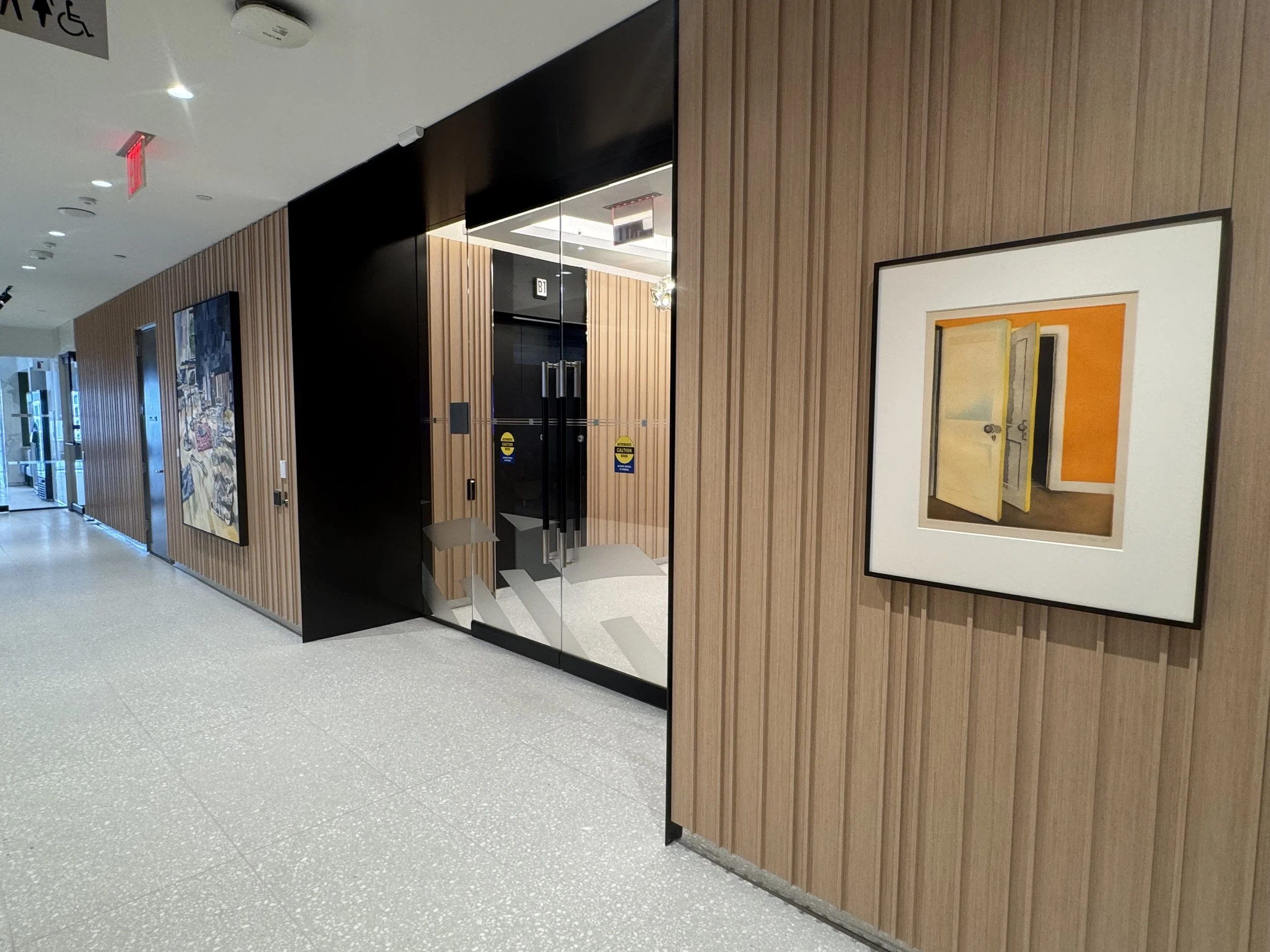
We don’t tend to discuss details of the collections we work with, so Jay didn’t know where his painting was ending up. No matter—he wrote Natalia and me the sweetest thank-you note simply for considering his work. As I’ve gotten to know him through our communications and by following along with his studio practice and developments, it’s become very clear that Jay is an extremely sincere and dedicated painter.
So it feels especially meaningful to finally share where the work ended up.
Jay’s painting is now part of the Bank of America Collection, installed at its Bryant Park headquarters in New York City.
It’s a full-circle moment. I encountered Jay’s work almost by chance in Maine, reached out because I couldn’t stop thinking about it, and eventually had the opportunity to place his painting in a collection alongside an artist he deeply admires.
It also reminds me how mutually supportive the ecosystems we work within can be, and how one encounter with an artwork can set an entirely unexpected journey in motion.
Do artists always know where their work ends up? No. But every once in a while, we get to follow the journey from one wall to another.